

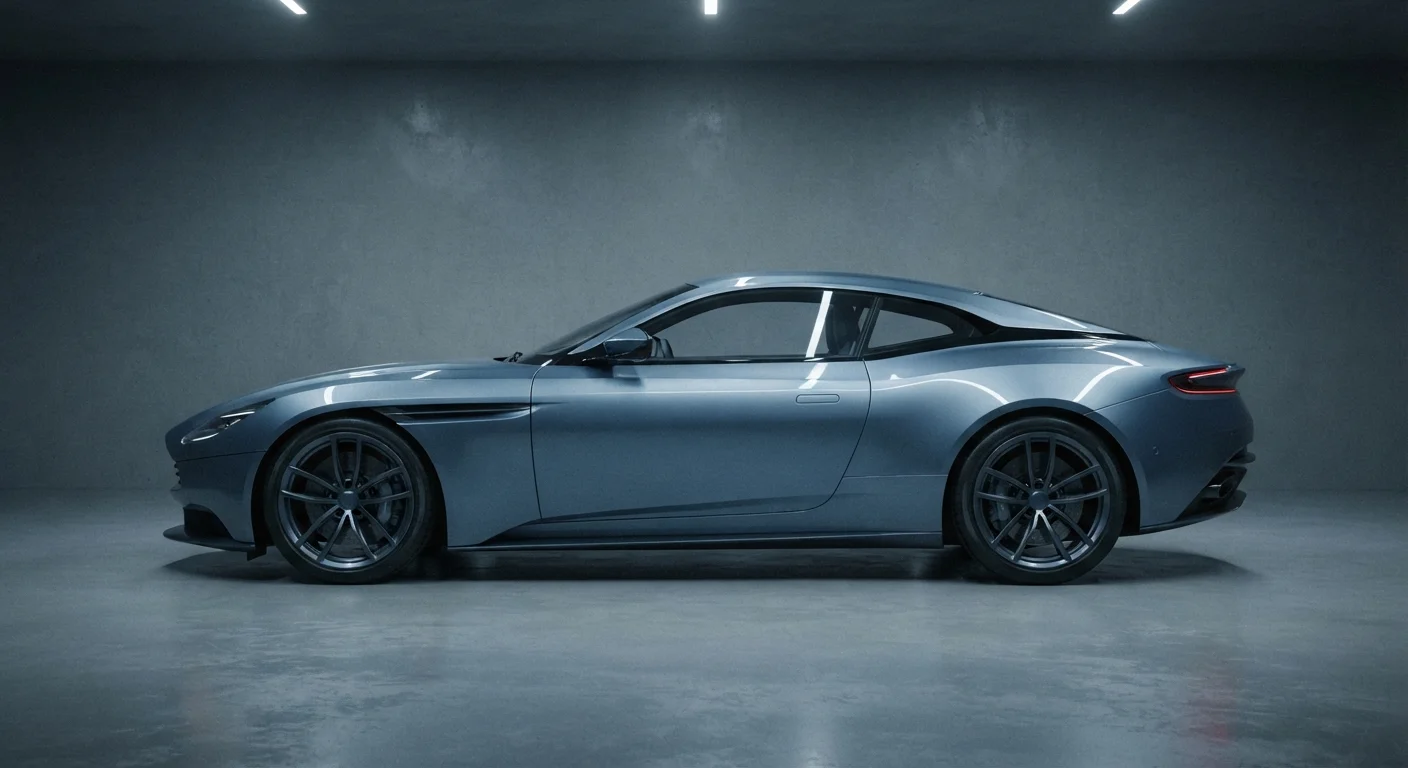
Why Dimensions Matter More Than Style Alone
A coupe's visual appeal is immediate, but the numbers underneath that sheet metal determine whether it feels genuinely athletic or merely cramped. Wheelbase, overall length, roofline rake angle, and glasshouse proportions interact in ways that spec sheets rarely explain directly. Understanding these relationships helps buyers move past styling impressions and evaluate what a coupe actually delivers in daily use.
For context on how coupe architecture differs structurally from sedans, see what body style actually changes about a car.
The Core Dimensional Variables in Coupe Design
Several measurements define a coupe's character more than any other:
- Wheelbase: The distance between front and rear axle centers. Longer wheelbases generally improve straight-line stability and interior space, but reduce agility in tight corners. Most compact coupes sit between 100-106 inches; grand tourers often exceed 112 inches.
- Roofline rake angle: The angle of decline from the base of the windshield to the trunk or tail. A steeper rake (typically above 30 degrees) creates the classic fastback silhouette but compresses rear headroom significantly.
- Beltline height: Measured from the ground to the bottom of the side windows. A high beltline improves structural rigidity and a planted appearance but reduces outward visibility and can feel claustrophobic inside.
- Glasshouse proportion: The ratio of glass area to overall body side area. Smaller glasshouses shrink the visual mass of the cabin, reinforcing athletic proportion, but they impose real-world rearward sightline penalties.
- Rear headroom clearance: Often the most buyer-relevant number. Even a one-inch difference between a 35-inch and 36-inch rear headroom measurement is palpable for anyone over 5'10".
For a parallel breakdown of how these same variables play out in sedan architecture, the anatomy of a sedan guide walks through A-pillar, C-pillar, and notchback geometry in depth.
Wheelbase
The distance measured between the centers of a vehicle's front and rear axles. Longer wheelbases typically improve ride stability and interior space but reduce low-speed agility.
Roofline rake angle
The angle at which the roof descends from the windshield base toward the rear of the vehicle. A steeper rake creates a sportier, fastback appearance but reduces rear headroom.
Glasshouse proportion
The ratio of window glass area to the total side body area of a vehicle. A smaller glasshouse creates a more muscular visual profile but limits outward visibility.
Beltline
A styling line running horizontally along the body at the base of the side windows. A higher beltline adds structural rigidity and visual weight to the body but can restrict occupant visibility.
Fastback
A roofline design in which the rear of the car slopes continuously and steeply from roof to tail, without a distinct trunk step. Common in sport coupes and grand tourers.
Rear headroom clearance
The vertical measurement from the rear seat cushion surface to the headliner at its lowest point directly above a seated occupant. A key comfort metric for rear passengers.
How Dimensions Shift Across Coupe Segments
Compact sport coupes prioritize low mass and short wheelbase for responsive handling. The trade-off is rear accommodation that borders on token - rear headroom under 35 inches and legroom under 31 inches are common. These figures matter less if buyers accept the coupe as a two-occupant vehicle by practice.
Mid-size performance coupes occupy a middle ground, typically adding 4-6 inches of wheelbase over compact counterparts. This increment alone can recover 1-2 inches of rear headroom. However, manufacturers often consume those gains with steeper roofline rake, maintaining visual drama at the expense of occupant space.
Grand tourers - designed for sustained high-speed comfort - typically deploy the longest wheelbases in the coupe category. Their rooflines tend to be shallower in rake, recovering rear headroom while still differentiating the silhouette from a sedan. The sport coupe vs. grand tourer comparison explains how these dimensional choices reflect fundamentally different engineering philosophies.
The so-called four-door coupe segment deliberately blends sedan and coupe dimensional logic - stretching the wheelbase for occupant space while preserving roofline rake for styling. What that category actually means is worth examining if a model is marketed under that label.
4-6 in
Wheelbase added from compact to mid-size coupe
This increment typically corresponds to 1-2 inches of recovered rear headroom, depending on roofline rake choices by the manufacturer.
30°+
Roofline rake angle in fastback coupes
Angles above approximately 30 degrees generally classify a roofline as a fastback and begin to impose measurable rear headroom reductions.
112 in
Minimum wheelbase common in grand tourer coupes
Grand tourers prioritize long-distance comfort and deploy wheelbases that overlap with mid-size sedan territory while maintaining coupe proportions.
Translating Dimensions Into Ownership Decisions
Dimensions don't exist in isolation - they interact with daily use patterns. A buyer who regularly carries rear-seat passengers should compare rear headroom and legroom figures directly against sedan equivalents, using the framework in evaluating a sedan's rear seat dimensions as a baseline reference point.
Beltline height affects more than aesthetics: higher beltlines correlate with reduced over-the-shoulder visibility during lane changes and parking maneuvers. Roofline rake affects how cargo loads into the trunk - a steeply angled decklid can reduce effective trunk opening height even when total cargo volume appears adequate on paper.
These compounding trade-offs are why coupes that look identical from a distance can feel dramatically different in use. The practical realities of coupe ownership examines how visibility, ingress, and insurance considerations surface over time - dimensions that rarely appear on a window sticker but shape ownership satisfaction considerably.
This article provides general educational information about vehicle design and dimensions. Individual vehicle measurements vary by model year and trim; always verify figures with manufacturer specifications before making a purchase decision.