

Key Takeaways
Why Home Charging for a Luxury EV Requires Deliberate Planning
Luxury electric vehicles arrive with larger battery packs — commonly 90 kWh to 130 kWh — and higher-capacity onboard chargers than mainstream EVs. That combination delivers impressive range and faster AC charging speeds, but it also places greater demands on your home's electrical infrastructure. A casual approach to charging setup can result in inadequate charge rates, tripped breakers, or — at worst — fire hazards from undersized wiring.
Understanding these requirements before delivery day transforms what could be a stressful scramble into a well-managed project. For a broader view of what to evaluate before you take ownership, see the structured pre-purchase assessment checklist. For a detailed breakdown of what installation typically costs across different scenarios, the home charging installation cost guide provides a thorough reference.
What you will need
What You'll Need Before Starting
Successful home charging setup depends on having the right equipment and professional support in place. Unlike a standard appliance installation, EV infrastructure involves your home's electrical system at a level that requires licensed expertise and regulatory compliance.
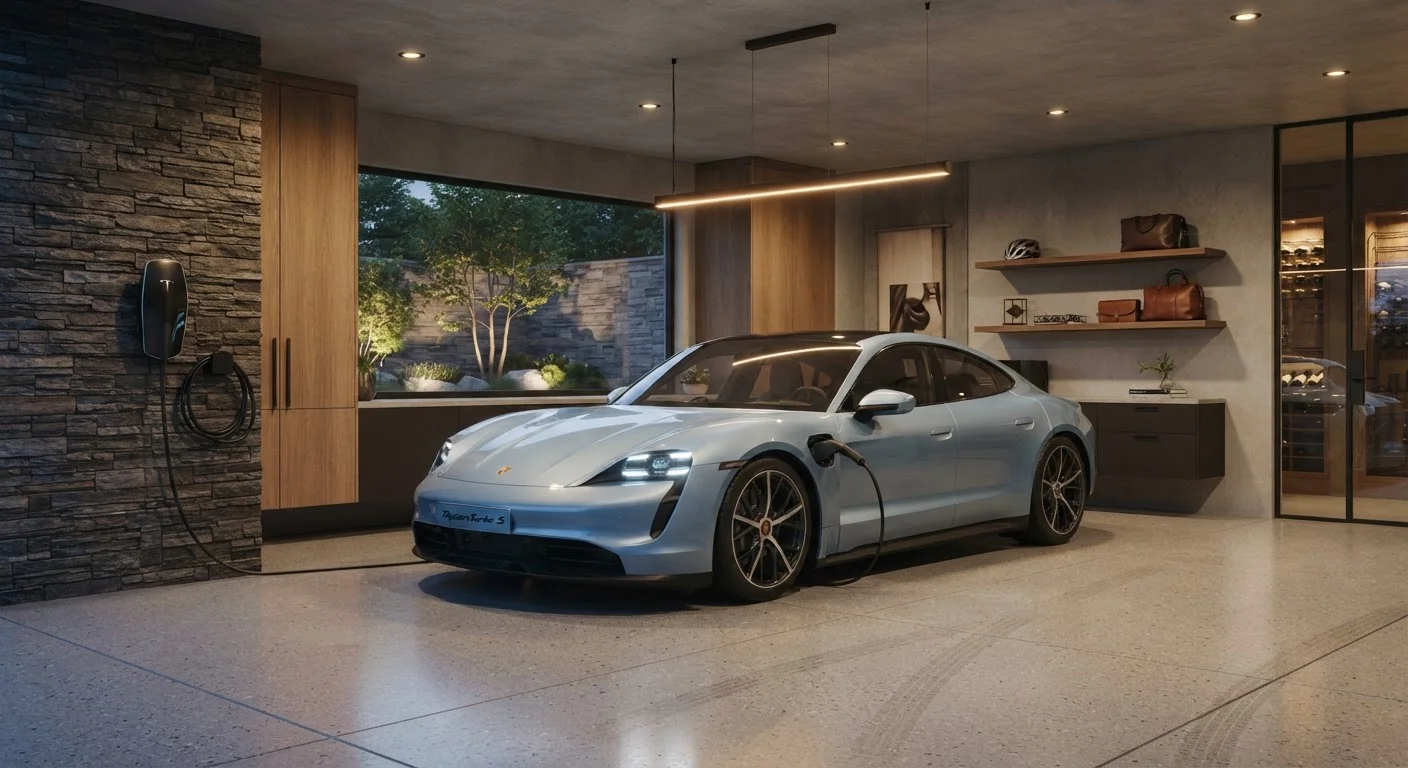
Level 2 EVSE (Electric Vehicle Supply Equipment)
Delivers 240V AC power to the vehicle's onboard charger, significantly reducing overnight charge times compared to a standard 120V outlet.
Licensed Electrician
Required to assess panel capacity, run dedicated circuits, and ensure the installation meets local electrical codes.
Electrical Panel Load Calculator
Helps determine whether your existing panel has sufficient capacity to support a high-amperage EV circuit without upgrades.
Smart Energy Management Device
Monitors whole-home electrical load and dynamically adjusts charger output to prevent circuit overloads — useful where panel upgrades are not feasible.
Building Permit Application
Required by most municipalities before any new dedicated electrical circuit or panel modification is installed.
If you are weighing whether home charging is the right approach at all, the comparison of home versus public charging trade-offs covers the key factors. For those in situations where home installation is not possible, living without a home charger outlines realistic alternatives.
Step-by-Step: Setting Up Your Luxury EV Home Charging System
Follow these steps in sequence. Skipping the assessment and permitting phases — even under time pressure from an approaching vehicle delivery — creates downstream complications that are more expensive to correct than to prevent.
Confirm your vehicle's onboard charger specifications
Before any electrical work begins, identify your luxury EV's onboard charger capacity — expressed in kilowatts (kW). This figure, found in the owner's manual or manufacturer specifications, determines the maximum AC charging rate the car can accept. Many premium models offer onboard chargers rated between 11 kW and 19.2 kW. Matching your home EVSE to this rating ensures you are not paying for infrastructure that exceeds what the car can use, nor limiting the charge speed unnecessarily.
Schedule an electrical panel assessment
Have a licensed electrician evaluate your home's main electrical panel before purchasing any equipment. Luxury EVs typically require a dedicated 50- to 60-amp, 240V circuit. A standard 100-amp residential panel serving a fully loaded home may have little headroom for this addition. The electrician will calculate available capacity and advise whether a panel upgrade — commonly from 100A to 200A service — is necessary. This step prevents costly surprises during installation.
Obtain required permits before any work begins
Most municipalities require a building or electrical permit before a new dedicated EV circuit or panel upgrade is installed. Your electrician will typically handle permit applications, but confirm this in writing before work begins. Skipping permits can lead to failed inspections, insurance complications, and difficulties when selling your home. Permit fees and timelines vary widely — factor two to four weeks in some jurisdictions.
Select and position your EVSE unit
Choose an EVSE rated to match or slightly exceed your vehicle's onboard charger capacity. For a luxury EV with an 11.5 kW onboard charger, a 48-amp EVSE on a 60-amp circuit is a common pairing. Determine the installation location — typically a garage wall near the vehicle's charge port side — accounting for cable reach and conduit routing. Hardwired units are generally more secure and may be preferred by insurers; plug-in units (NEMA 14-50 or 6-50 receptacle) offer portability if you relocate.
Consider smart load management if panel capacity is constrained
If a full panel upgrade is not feasible immediately, a smart energy management device can be installed between the panel and the EVSE. These devices monitor real-time household electrical draw and reduce charger output when other high-demand appliances — HVAC, electric dryer, oven — are running simultaneously. While this may slow charging during peak household use, it can defer the cost of a panel upgrade and is compatible with most luxury EV charging scenarios given overnight charging windows.
Schedule installation, inspection, and utility notification
Once permits are approved, coordinate installation with your electrician. After work is complete, a municipal inspector will typically verify the installation meets code. Some utilities also require notification — or may need to upgrade the meter base if service capacity increases. Keep all inspection certificates and permit records; they document the work for insurance purposes and future property disclosures. After sign-off, configure any smart charging schedules in your vehicle or EVSE app to take advantage of off-peak electricity rates.
Federal Tax Credits May Apply
The U.S. federal Inflation Reduction Act includes a tax credit covering a portion of residential EVSE installation costs, subject to income and other eligibility criteria. State and utility-level incentives may stack on top of federal credits. Consult a qualified tax professional to determine what applies to your situation — do not rely solely on general estimates when filing.
For a broader pre-installation planning walkthrough that complements these steps, the home EV charging planning guide covers regulatory and practical considerations in additional depth. Once your system is installed and your vehicle is in hand, the EV road trip charging planner can help you extend your range strategy beyond the driveway.
Managing Expectations: Timelines, Costs, and Ongoing Considerations
Home charging infrastructure for a luxury EV is a one-time investment with long-term payoff. A straightforward installation — adequate panel capacity, short conduit run, no service upgrade required — can be completed in a single day. A project requiring panel upgrade and utility coordination may take three to six weeks from initial assessment to final inspection.
Panel Upgrades Add Cost and Lead Time
If your home requires an electrical service upgrade from 100A to 200A, expect additional cost and a longer project timeline — potentially several weeks depending on contractor availability and utility scheduling. Budget for this possibility early, especially if you are planning to begin charging immediately after vehicle delivery. A thorough pre-purchase electrical assessment, as outlined in our structured pre-purchase checklist, can surface these needs before you commit.
Never Use Ungrounded or Extension Cord Charging
Charging a luxury EV — even temporarily — via an extension cord or an ungrounded outlet is a fire and shock risk. These vehicles draw sustained high currents that standard extension cords are not rated to handle safely. Always use a properly installed, code-compliant circuit for any regular charging, including interim Level 1 (120V) use.
Once installed, your primary ongoing variable is electricity cost. Enrolling in a time-of-use rate plan through your utility and scheduling overnight charging can materially reduce the per-mile energy cost, one of the core advantages of EV ownership. Explore EV range and charging strategies for further guidance on optimizing your charging habits across different scenarios.
This article provides general educational information about home EV charging infrastructure. It does not constitute electrical, legal, or financial advice. Always consult a licensed electrician for work on your home's electrical system, and a qualified tax professional regarding any applicable incentive programs.