

Key Takeaways
Pre-Purchase Inspection (PPI)
A pre-purchase inspection is a systematic evaluation of a used vehicle conducted by a qualified mechanic before the buyer commits to the sale. It covers the car's mechanical systems, structural integrity, and overall condition to surface problems that aren't visible to the untrained eye. The goal is to give the buyer an honest picture of what they're actually getting.
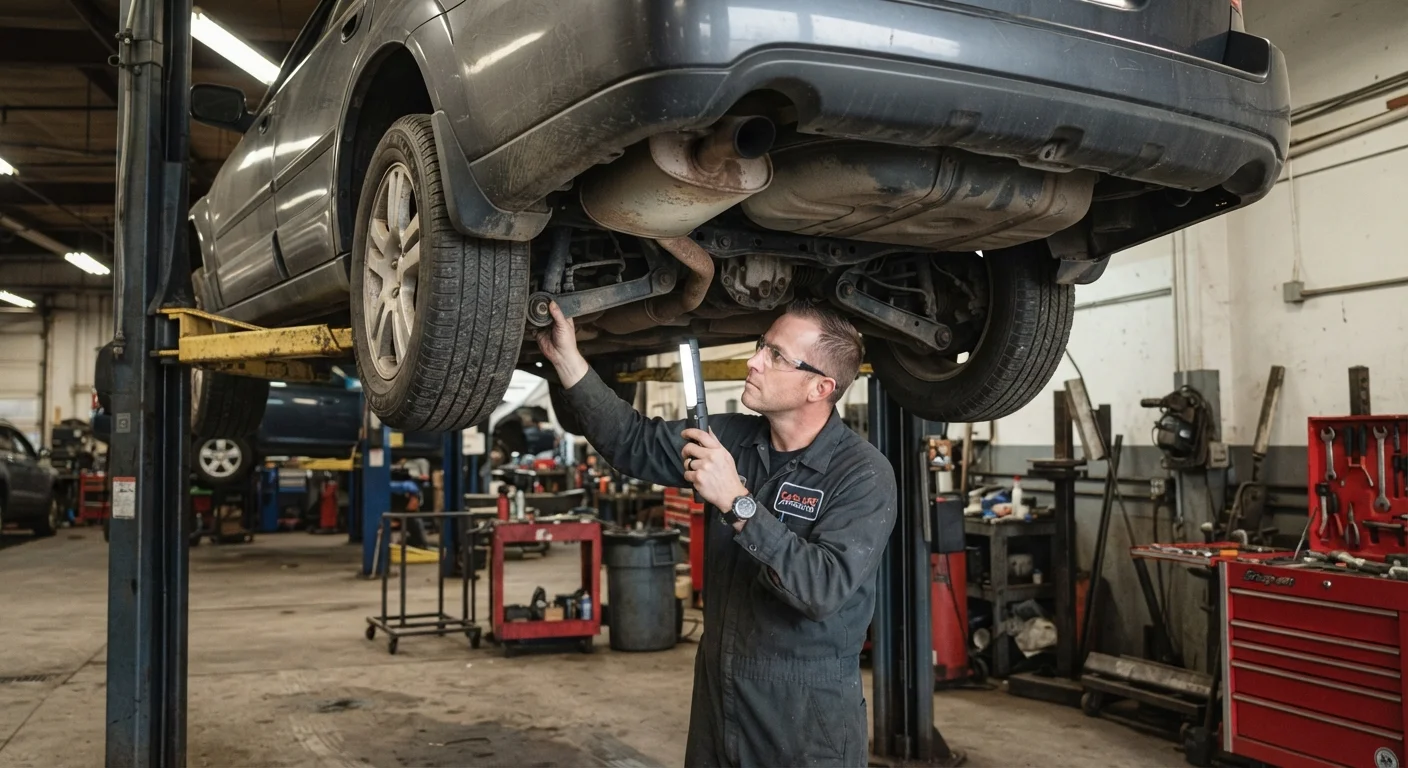
A thorough PPI typically includes an OBD-II diagnostic scan for stored fault codes, a lift inspection of the undercarriage, and a review of fluid condition — none of which a visual walk-around or test drive alone can replicate.
What a Pre-Purchase Inspection Actually Covers
A pre-purchase inspection isn't a quick once-over. When performed properly, it's a structured evaluation that works through the vehicle systematically. Here's what a qualified mechanic typically examines:
- Engine and drivetrain: Oil condition, coolant level and color, belt and hose condition, transmission behavior, and signs of leaks or overheating.
- Undercarriage: Frame integrity, rust or corrosion, CV joints, control arms, exhaust system, and brake lines — all inspected with the car on a lift.
- Brakes: Pad thickness, rotor condition, and brake fluid quality.
- Suspension and steering: Shock absorbers, tie rods, and alignment indicators.
- Tires: Tread depth, uneven wear patterns (which can indicate alignment or suspension issues), and sidewall condition.
- Electrical systems: Battery health, lights, HVAC, and an OBD-II scan for stored diagnostic trouble codes — including codes that have been cleared but may return.
- Body and structure: Panel gaps, paint inconsistencies, and signs of prior collision repair or flood damage.
- Interior: Seat mechanisms, windows, infotainment, and odor (musty smell can indicate water intrusion).
The mechanic produces a written report summarizing findings by severity, which gives you a factual basis for negotiation or walking away. See the pre-purchase inspection checklist for a detailed breakdown of what each category involves.
$100–$200
Typical cost of a pre-purchase inspection
Most independent automotive shops charge within this range for a standard PPI, making it one of the lowest-cost risk-reduction steps in the used car buying process.
~1 in 3
Used cars with undisclosed damage or issues
Industry estimates and vehicle history data consistently suggest a significant share of used vehicles on the market carry undisclosed prior damage or mechanical problems.
$1,000+
Average repair cost for hidden defects
Common post-purchase surprises such as transmission repairs, brake system overhauls, or structural corrections routinely run into four figures at independent repair shops.
Who Performs the Inspection — and Why Independence Matters
The single most important factor in a useful inspection is who conducts it. The mechanic must be independent of the seller. A dealer's in-house service team has an obvious conflict of interest; their findings may be shaped — consciously or not — by the goal of completing a sale.
An independent shop owes you an unbiased assessment. For the best results:
- Choose a shop that is not affiliated with the selling dealer or private party in any way.
- Prefer an ASE-certified technician or a shop that specializes in the make you're evaluating.
- Arrange the appointment yourself — don't let the seller schedule it for you.
- Be present during the inspection if possible, or ask for a phone walkthrough of findings before the written report is finalized.
Bringing the car to an independent mechanic covers exactly what questions to ask and how to frame the scope of work so nothing important gets missed.
Arrange the inspection appointment yourself
Always contact the shop directly and schedule the inspection independently — don't rely on the seller to make the call. This ensures the shop's loyalty is to you, not to the party trying to complete the sale. Confirm the shop will provide a written report with findings categorized by severity.
Why Skipping an Inspection Is a Costly Gamble
Buyers skip inspections for predictable reasons: the car looks clean, the seller seems trustworthy, or the deal feels time-sensitive. None of these justify the risk.
Common problems that only emerge under inspection include:
- Hidden accident damage masked by repainted panels
- Transmission slipping that isn't obvious during a short test drive
- Frame damage that compromises crash safety
- Flood damage revealed by corroded connectors and mold under carpet
- Stored OBD-II fault codes that signal imminent mechanical failure
These issues rarely surface from a visual inspection or even a careful test drive. A vehicle history report from services like Carfax or AutoCheck can reveal title issues and reported accidents, but it cannot tell you the current mechanical state of the car. An inspection fills that gap.
If a seller refuses to allow an independent inspection, treat that refusal as a disqualifying signal. Transparent sellers — whether private owners or dealerships — have nothing to hide from a professional review.
For buyers considering certified pre-owned vehicles, it's worth understanding what CPO certification actually means and whether it substitutes for independent verification. In many cases, it doesn't fully replace a third-party inspection.
Once you have the inspector's findings in hand, cross-reference them with the checklist for verifying a used car's claimed value to determine whether the asking price still holds up.