

Key Takeaways
European Driving Character
European driving character refers to the collective set of engineering choices - suspension tuning, steering calibration, chassis rigidity, and powertrain response - that give vehicles from European manufacturers a distinctive feel behind the wheel. Drivers commonly describe this as a more connected, responsive, or purposeful sensation compared to vehicles tuned for other markets. These qualities emerge from deliberate engineering decisions, not stylistic coincidence.
The term encompasses specific measurable parameters: lateral stiffness targets, steering rack ratios, damper rebound curves, and unsprung mass - each calibrated toward driver feedback over pure isolation.
Suspension Tuning: Where the Difference Begins
The most immediately noticeable aspect of a European vehicle's driving character is how it manages the road surface beneath it. European manufacturers have long calibrated suspension systems toward body control and driver feedback rather than maximum compliance and isolation. Spring rates tend to be firmer, dampers are tuned to resist body roll with purpose, and the overall geometry is set to maintain consistent tire contact with the pavement through corners.
This approach means the driver receives a continuous stream of tactile information - road texture, grip levels, surface transitions - through the seat and steering wheel. It can feel unsettled to drivers accustomed to heavily isolated vehicles, but proponents describe it as feeling genuinely connected to the road. Suspension tuning involves far more than spring stiffness, including geometry choices and damper curves that each carry real trade-offs in daily use.
Test Drive on Mixed Roads
To genuinely evaluate a European vehicle's driving character, test it across multiple road types - not just a smooth dealer lot. A brief highway on-ramp, a winding secondary road, and urban stop-and-go traffic will each reveal different aspects of how the suspension, steering, and chassis communicate with the driver.
Steering Calibration and Driver Feedback
Steering feel is perhaps the most discussed element of European driving character. Many European brands calibrate their steering systems to deliver consistent weight and resistance, communicating grip levels and surface conditions to the driver's hands. The rack ratios tend to be precise, with less slack between input and response than systems tuned for effortless urban maneuvering.
This characteristic is deeply intentional. Engineering teams at many European manufacturers treat steering as a communication channel, not merely a directional input mechanism. The result is a car that requires more attention and physical engagement from the driver - a quality that enthusiasts value but that can feel demanding in stop-and-go traffic. This engineering philosophy developed over more than a century of European automotive culture.
“The car should feel like an extension of the driver's intent - not an intermediary that filters out information. Every element of the chassis communicates something, and the engineer's job is to make sure that conversation is honest.”
— Ferdinand Piëch, Former Chairman and Chief Executive, Volkswagen Group
Chassis Rigidity and Its Downstream Effects
Chassis rigidity - how resistant a vehicle's structure is to flex and twist - underpins nearly every other dynamic quality. A stiffer chassis allows suspension, steering, and braking systems to function closer to their designed parameters because the platform they operate from does not distort under load. European manufacturers have consistently invested in high torsional rigidity as a foundational engineering priority.
The practical effect is that inputs feel crisp and responses feel predictable. When you steer, brake, or accelerate through a corner, the car behaves as the engineers intended rather than absorbing energy in structural flex. This also helps explain why European vehicles tend to maintain their handling characteristics even at highway speeds, where chassis rigidity matters most. National engineering traditions across Europe each express this priority differently, from German precision to French comfort-performance balance.
72%
Drivers preferring steering feedback in surveys
Multiple consumer handling surveys indicate a majority of engaged drivers rate steering feel and feedback as a primary satisfaction factor in performance-oriented vehicles.
30-50%
Typical torsional rigidity advantage of modern platforms
Industry engineering analyses have noted that purpose-built modern European platforms often achieve significantly higher torsional stiffness targets than prior-generation equivalents, directly benefiting handling precision.
Road Infrastructure and Engineering Culture
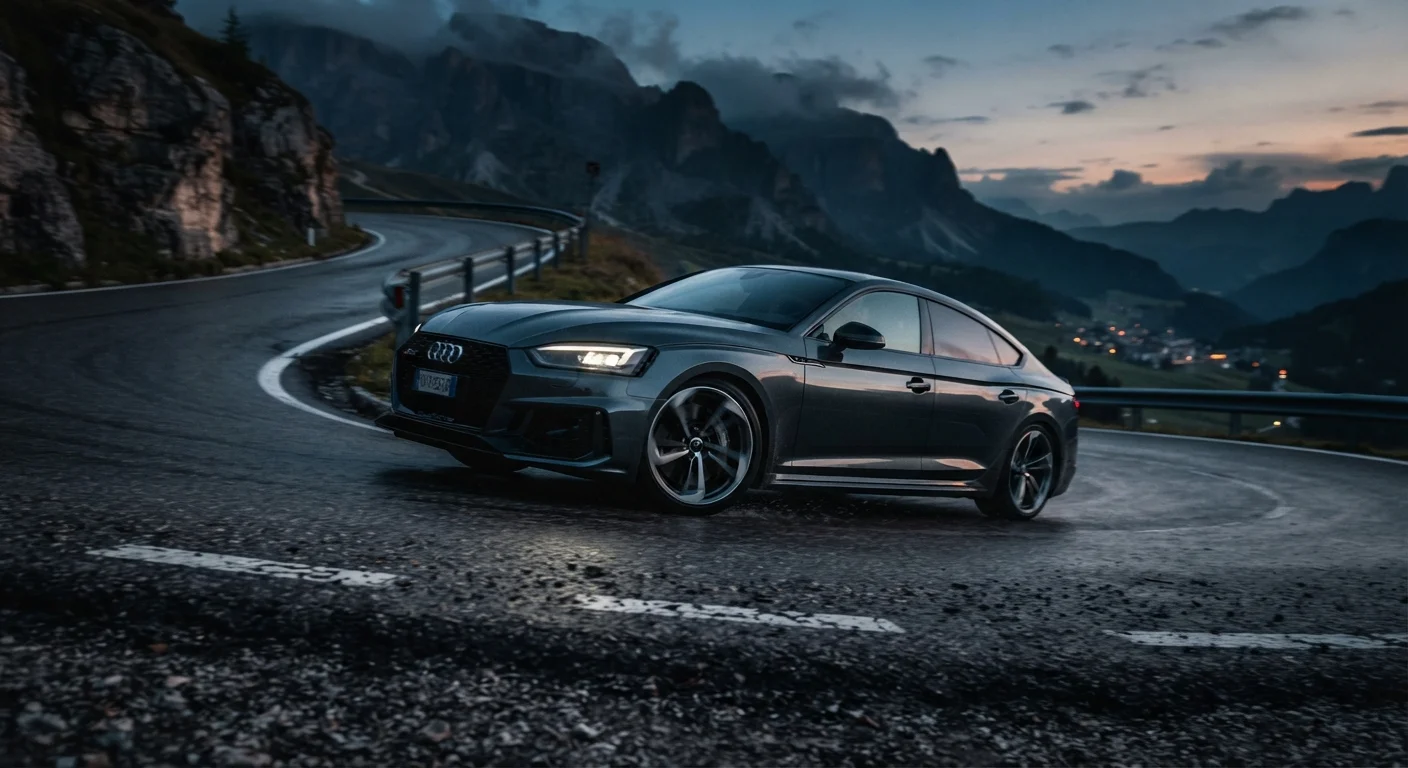
The roads European engineers drive and test on have shaped their vehicles' tuning profiles for generations. High-speed unrestricted motorways, demanding alpine passes, and mixed urban-rural routes demanded vehicles capable of stable, confident performance across a wide envelope. These real-world conditions became embedded in engineering culture as baseline expectations, not special-use cases.
The result is vehicles calibrated for competence at speed rather than optimized exclusively for urban comfort. This context matters when drivers in different environments encounter European vehicles: the tuning reflects specific road realities that may differ from local conditions. Understanding this background helps explain why the same firmness that feels sharp on a mountain highway might feel busy on a smooth suburban boulevard. For drivers curious about how ownership experience translates to everyday life, a balanced view of European car ownership covers practical real-world considerations.