

Key Takeaways
Why Deals That Look Too Good Usually Are
The used car market contains legitimate bargains — but it also attracts fraud, concealed damage, and title manipulation at a scale most buyers underestimate. When a listing catches your eye because the price seems unusually low, that reaction should trigger scrutiny, not excitement. Understanding why a vehicle is priced below comparable examples is the first and most important question to answer before you invest any more time or money.
Hidden factors can push prices above fair value, but the reverse is equally dangerous: a price that's been artificially lowered is often a seller's fastest tool for generating interest and bypassing buyer due diligence. The mistakes below are the ones that consistently cost buyers — and they are all preventable.
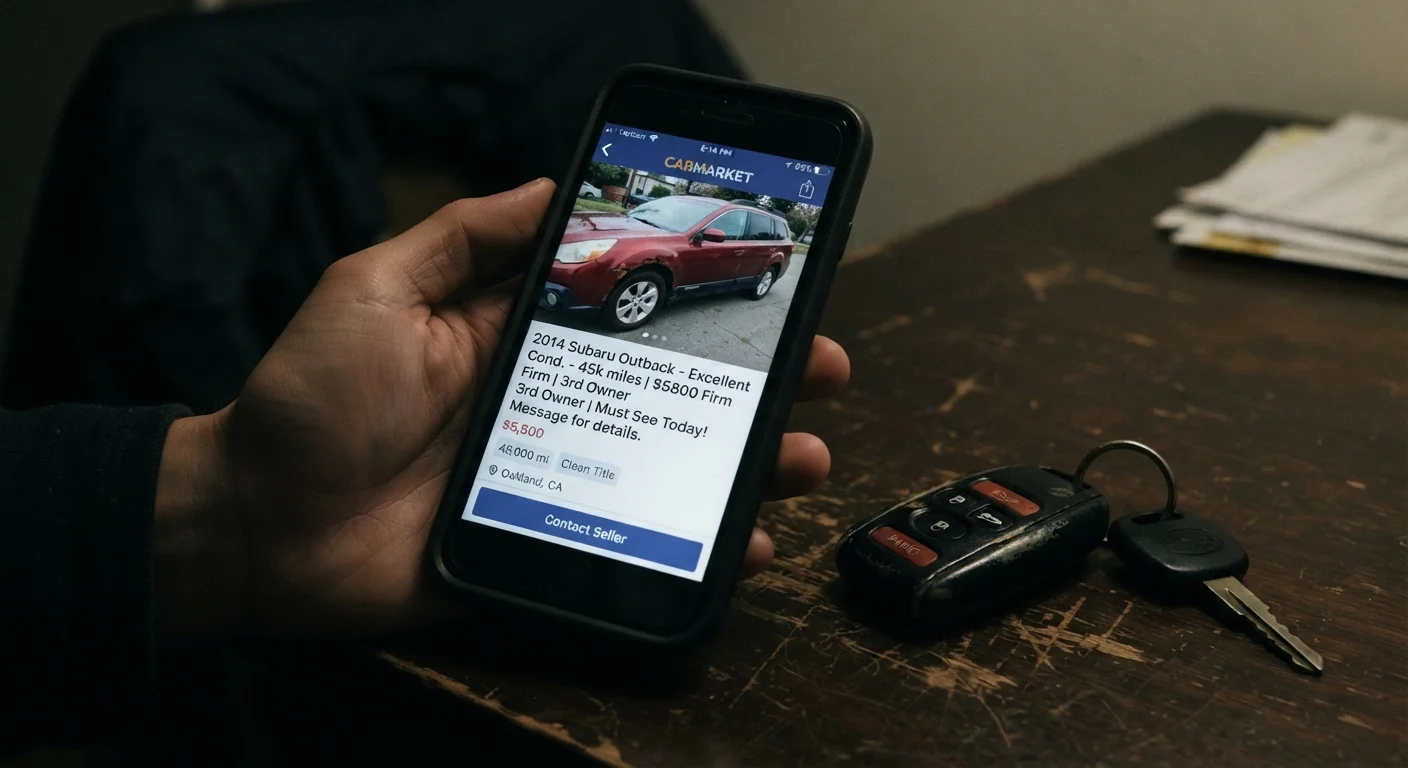
Treating a price far below market value as a lucky find rather than a warning sign.
Why it happens: Buyers naturally focus on savings, and the excitement of a bargain overrides skepticism. Sellers who have something to hide deliberately set attractive prices to generate quick interest and reduce the time buyers spend scrutinizing the vehicle.
Failing to check for title washing or a salvage history before agreeing to terms.
Why it happens: Title records can be re-registered across state lines in ways that obscure branding — a process known as title washing. Many buyers don't realize this is possible and assume a clean title means the car has never been declared a total loss.
Accepting mileage claims at face value without cross-checking the odometer reading.
Why it happens: Odometer fraud is more prevalent than most buyers expect. Sellers can digitally roll back electronic odometers using widely available tools, and buyers rarely think to verify the figure independently.
Caving to high-pressure sales tactics that push a same-day decision.
Why it happens: Urgency is a deliberate technique. Claims like "another buyer is coming this afternoon" or "this price is only valid today" are designed to make buyers feel they'll lose out if they pause to think or get an inspection arranged.
Overlooking signs of flood or structural damage because the interior looks clean.
Why it happens: Flood-damaged vehicles are often detailed professionally and relisted quickly after natural disasters. Surface-level cleanliness gives buyers a false sense of security, especially when they're unfamiliar with what to look for underneath.
Ignoring evasive or inconsistent answers from the seller.
Why it happens: Buyers often give sellers the benefit of the doubt, interpreting vague answers as forgetfulness rather than deception. The social pressure of a face-to-face interaction makes it uncomfortable to push back.
How to Protect Yourself Before Signing Anything
Every red flag in a used car transaction is easier to identify before money changes hands than after. Build these habits into your process for every purchase, regardless of how credible the seller appears.
Never Skip an Independent Pre-Purchase Inspection
No matter how convincing a seller appears or how clean a car looks, always have a qualified mechanic inspect the vehicle before you hand over money. A pre-purchase inspection typically costs between $100–$200 and can reveal structural damage, hidden rust, engine issues, or flood damage that photos and test drives will not expose. Skipping this step is one of the costliest mistakes used car buyers make.
- Pull the vehicle history report early. A VIN-based history report is a baseline, not a guarantee — but gaps, title transfers across multiple states, and inconsistent mileage entries all warrant follow-up questions.
- Verify fair market value independently. Benchmarking a vehicle's true worth against multiple comparable listings gives you the context to recognize when a price is suspiciously low.
- Account for costs beyond the sticker price. Hidden costs like registration transfer and immediate servicing needs can turn a cheap car into an expensive one. Factor these in before deciding whether a deal is genuinely favorable.
- Trust your instincts about seller behavior. A seller who redirects questions, becomes defensive about the vehicle's history, or creates artificial urgency is giving you information. Use it.
The evaluation and inspection process exists for a reason. Treat it as non-negotiable, not optional — and you'll significantly reduce your exposure to the most common used car scams.
1 in 5
Used vehicles with a hidden problem history
According to CARFAX data, approximately one in five used vehicles on the market has a reported accident, title issue, or odometer irregularity in its history.
$4,000+
Average cost of undisclosed flood damage repairs
NADA and independent repair estimates suggest that flood-related electrical and mechanical repairs frequently exceed $4,000, well above what most buyers budget after purchase.