

| Regular Cab Seating | 2-3 occupants, single row |
| Crew Cab Rear Legroom (typical range) | 33-43 inches (Varies by manufacturer and model year) |
| Short Bed Interior Length | ~5 ft 6 in - 5 ft 8 in (Full-size trucks; exact figures vary by manufacturer) |
| Long Bed Interior Length | ~8 ft 0 in - 8 ft 2 in (Full-size trucks; exact figures vary by manufacturer) |
| Typical Bed Width (between wheel wells) | 50-54 inches (Full-size segment average) |
| Most Common Configuration | Crew Cab + Standard Bed (Reflects volume sales data across major US full-size models) |
Cab Styles: How Passenger Space Is Structured
Every pickup truck starts with a cab configuration that sets the ceiling on how many passengers ride comfortably. Three configurations dominate the market:
- Regular Cab (Standard Cab): A single row of seating, typically for two to three occupants. No rear-seat access. Maximizes bed length for a given overall truck length.
- Extended Cab (Double Cab / SuperCab / King Cab): Adds a second, smaller row behind the front seats. Rear-door access is sometimes rear-hinged and requires the front door to open first. Legroom in back is limited - suitable for occasional passengers or gear storage.
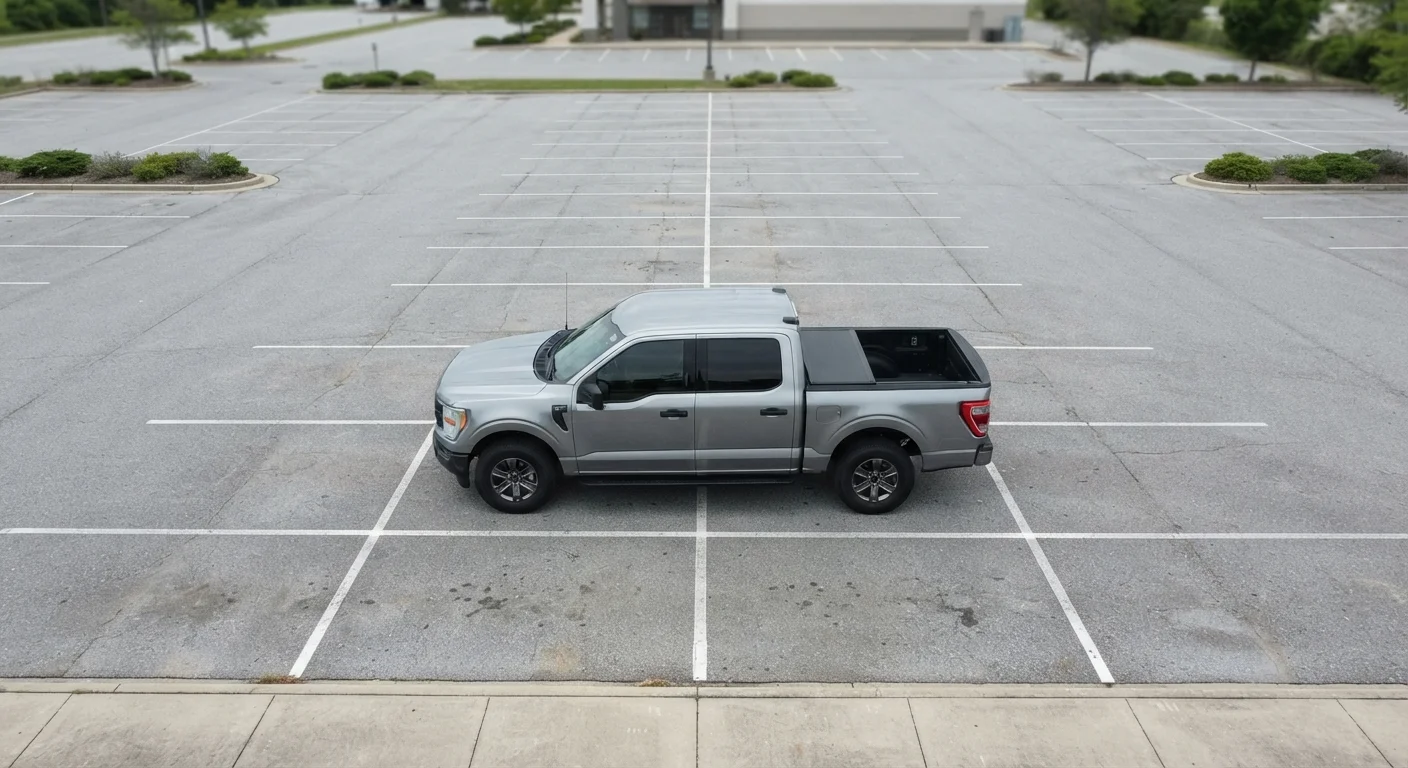
- Crew Cab (CrewMax / SuperCrew / Quad Cab): Full-size rear doors and a genuine second row. Rear legroom is typically 33-43 inches depending on the model. The dominant choice for buyers who regularly carry four or five adults.
For families evaluating trucks alongside three-row SUVs, see our guide to SUVs and trucks as family vehicles for a side-by-side look at passenger space and safety considerations.
| Regular Cab Seating | 2-3 occupants, single row |
| Crew Cab Rear Legroom (typical range) | 33-43 inches (Varies by manufacturer and model year) |
| Short Bed Interior Length | ~5 ft 6 in - 5 ft 8 in (Full-size trucks; exact figures vary by manufacturer) |
| Long Bed Interior Length | ~8 ft 0 in - 8 ft 2 in (Full-size trucks; exact figures vary by manufacturer) |
| Typical Bed Width (between wheel wells) | 50-54 inches (Full-size segment average) |
| Most Common Configuration | Crew Cab + Standard Bed (Reflects volume sales data across major US full-size models) |
Bed Lengths and What They Mean for Cargo
Bed length is measured from the inside of the bulkhead (the wall behind the cab) to the inside of the tailgate. Manufacturers market three common sizes:
| Bed Label | Typical Interior Length | Common Pairing |
|---|---|---|
| Short Bed | ~5 ft 6 in - 5 ft 8 in | Crew Cab |
| Standard / Mid Bed | ~6 ft 4 in - 6 ft 6 in | Extended or Crew Cab |
| Long Bed | ~8 ft 0 in - 8 ft 2 in | Regular or Extended Cab |
Interior bed width (between the wheel wells) typically ranges from 50 to 54 inches on full-size trucks. That matters when sliding sheet goods or standard lumber flat into the bed - a 4×8 sheet fits between the wells on some trucks but not others.
Bed volume (cubic feet) is a less consistent figure across manufacturer marketing materials because it conflates depth and width differently. When comparing cargo capacity, measure interior length × interior width × stake-side height for a like-for-like number.
Wheelbase
The distance between the centers of the front and rear axles. Longer wheelbases generally produce a smoother ride and allow for longer beds or more cab space, but reduce maneuverability.
Payload Capacity
The maximum combined weight of passengers, cargo in the bed, and any tongue weight from a trailer that a truck is rated to carry. Exceeding this figure affects braking, handling, and structural integrity.
Bulkhead
The structural wall that separates the cab from the truck bed. Bed interior length is measured from the bulkhead to the inside face of the closed tailgate.
Stake Pocket
Recessed slots along the top rails of the bed designed to accept removable stake boards or tie-down accessories, expanding cargo management options without drilling.
Gross Vehicle Weight Rating (GVWR)
The maximum total weight a truck is designed to handle, including its own curb weight plus passengers, cargo, and tongue weight. GVWR is set by the manufacturer and is distinct from payload capacity.
For broader context on how these specs fit the competitive landscape, our article on the full-size pickup segment explains why this category dominates US automotive revenue.
Configuration Trade-offs: Matching Setup to Use Case
No single configuration is universally superior - each involves direct trade-offs:
- Crew Cab + Short Bed: Maximum passenger room, reduced cargo length. Overall vehicle length stays manageable. Works well for daily commuters who occasionally haul.
- Crew Cab + Standard Bed: The volume seller in most model lines. Balances rear-seat space with usable cargo length. Overall length pushes into the 230-240-inch range on full-size models.
- Extended Cab + Long Bed: Prioritizes cargo. Total truck length can approach or exceed 250 inches, which affects parking and maneuverability in urban environments.
- Regular Cab + Long Bed: Worksite-oriented. Shortest wheelbase for a given bed length, improved maneuverability. Minimal passenger accommodation.
Midsize trucks follow the same cab/bed logic but at compressed dimensions - beds typically run 5 ft to 6 ft, and crew cabs are narrower. See our midsize vs. full-size truck comparison for a detailed capability breakdown.
Manufacturer Naming Conventions Vary
"Extended Cab," "Double Cab," "SuperCab," and "King Cab" are brand-specific terms that do not always describe the same rear-seat dimensions. Before comparing models, use the actual rear-legroom measurement in inches rather than the cab-name label. The same applies to bed labels - a "short box" on one brand may be an inch or two different from a competitor's "short bed."
First-time buyers navigating these choices will find practical guidance in our first-time truck owner guide, which covers payload limits, towing setup, and bed usage fundamentals.