

Key Takeaways
Why Policies Get Voided - and Why It's Often a Surprise
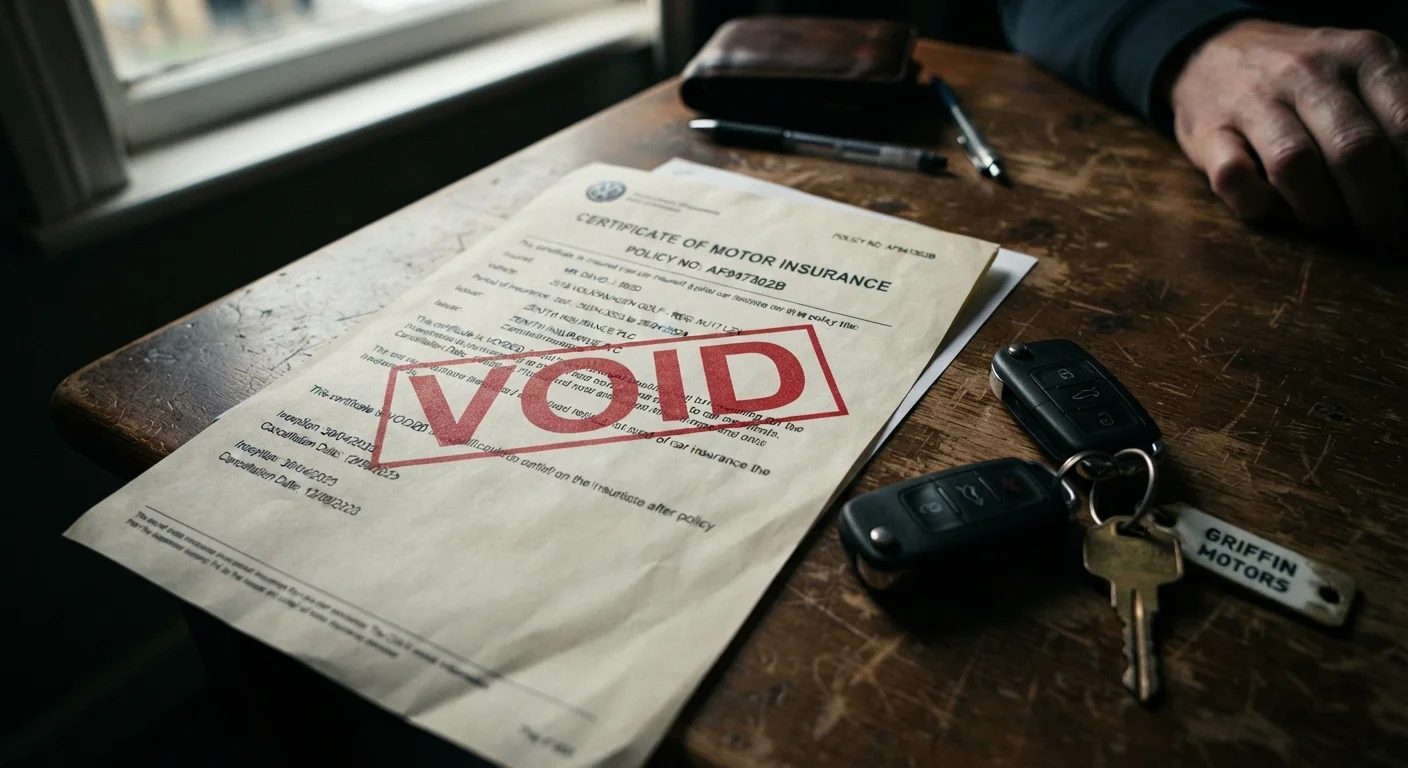
Most drivers assume their auto insurance will respond the moment something goes wrong. That assumption can be expensive. Insurers are legally permitted to deny claims - or in more serious cases, rescind a policy entirely - when certain conditions aren't met. The frustrating part is that most of these situations are avoidable with a little proactive communication.
Understanding the structure of an auto insurance policy helps here. Insurers price coverage based on the risk profile you present at the time of application. When that profile changes materially - or when it was never accurately reported - the contract's foundation is compromised. The result is often a denied claim at exactly the moment coverage matters most.
The mistakes below are among the most common triggers. They don't require bad intent to cause serious harm to your claim. See also our overview of auto insurance coverage types to better understand what protections you're actually paying for.
Misrepresenting information on your original application.
Why it happens: Drivers sometimes understate mileage, omit past violations, or list an incorrect garaging address to reduce their premium - often without fully appreciating that insurers treat these as material misrepresentations.
Failing to list all regular drivers in your household.
Why it happens: Policyholders often assume coverage automatically extends to family members who 'occasionally' borrow the car, not realizing that an unlisted regular driver is a material omission.
Using a personal vehicle for commercial or rideshare purposes without proper coverage.
Why it happens: Standard personal auto policies explicitly exclude commercial use, but many drivers who deliver food, packages, or passengers assume their existing policy covers them while working.
Letting your policy lapse by missing a payment.
Why it happens: Automatic payments fail, billing addresses change, and drivers sometimes don't notice a lapsed policy until they need to file a claim - or until a renewal notice arrives.
Making a significant vehicle modification without notifying your insurer.
Why it happens: Aftermarket upgrades - lift kits, engine modifications, custom wheels - can alter a vehicle's risk profile, but most drivers don't think of modifications as an insurance issue.
Assuming a vehicle is covered simply because it appears on your registration.
Why it happens: Drivers who add a second vehicle or trade in a car sometimes assume the policy updates automatically, or that the new vehicle is covered under a replacement provision indefinitely.
What To Do Before You're Caught Off Guard
The single most effective protective step is treating your policy as a living document rather than a one-time transaction. Any significant change to your household, your driving habits, or your vehicle should prompt a conversation with your insurer or licensed agent - not after a loss, but before one occurs.
Don't Wait Until After a Loss to Review Your Policy
Coverage disputes are significantly harder to resolve once a claim has been filed. Insurers investigate the facts of a loss against the terms of your policy - and if a disqualifying condition existed before the accident, the timing of your discovery doesn't change the outcome. Reviewing your policy during a calm, non-urgent moment gives you the opportunity to correct problems before they become irreversible.
Review your declarations page at least once a year. It lists covered drivers, the described vehicle, coverage limits, and endorsements. If anything is outdated or incomplete, that gap is potential grounds for a dispute when you file. Our coverage review checklist walks through exactly what to verify before or during each policy term.
If you're unsure whether a specific situation - a new side business, a vehicle modification, a family member moving in - affects your coverage, ask in writing and keep the response. Documentation protects you if a coverage question arises later. For a broader look at how circumstances shift your coverage needs over time, see why your coverage needs can change.
Finally, if a claim is ever denied or delayed, understanding the reason matters. Common causes of claim delays often overlap with the same policy gaps that lead to outright denials - knowing the patterns gives you a better chance of resolving disputes quickly.
1 in 8
Drivers estimated to be uninsured on U.S. roads
The Insurance Research Council has estimated that roughly one in eight U.S. drivers operates without valid insurance, underscoring how common coverage lapses are.
~14%
Claims involving a coverage dispute or denial
Industry data suggests a meaningful share of auto claims involve some form of coverage dispute, often tied to policy conditions the driver was unaware of.
This article is for general informational purposes only and does not constitute personalized insurance, financial, or legal advice. Coverage terms, exclusions, and regulations vary by insurer and by state. Always read your actual policy documents and consult a licensed insurance agent or adviser for guidance specific to your situation.