

Key Takeaways
Why Insurance Myths Persist - and Why They're Costly
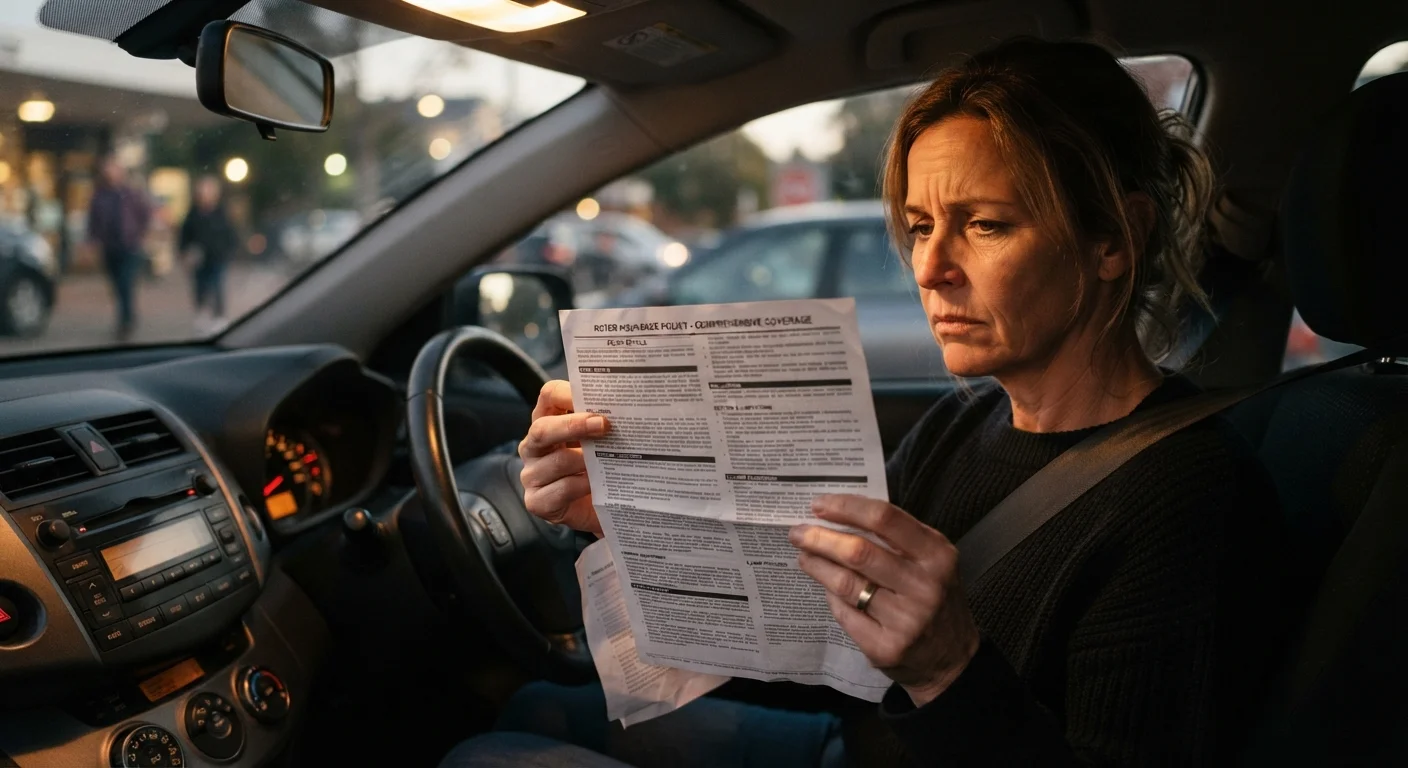
Auto insurance policies are dense, legally specific documents. Most drivers don't read them in full until something goes wrong - and by then, it's too late to change coverage retroactively. The result is a widespread gap between what drivers believe their policy does and what it actually does. These misunderstandings aren't trivial: they can leave drivers absorbing thousands of dollars in losses they assumed were covered.
The myths below reflect some of the most common coverage misconceptions. Understanding where they come from - and what the policy reality actually is - puts you in a stronger position before you ever need to file a claim. For terminology you encounter while reading your own policy, our auto insurance coverage glossary is a useful reference.
Myth
My car insurance covers everything that happens to my vehicle, no matter what.
Fact
Auto insurance is sold in distinct coverage types - each protecting against a specific category of loss. No single standard policy covers all scenarios automatically.
Many drivers picture auto insurance as a single blanket that protects them from every possible loss. In reality, a policy is a collection of separate coverages, each with its own trigger, limit, and deductible. For example, collision coverage pays for damage from a crash with another vehicle or object, while comprehensive coverage handles events like theft, hail, or a fallen tree. If you carry only liability coverage - the minimum required in most states - neither of those protections applies to your own vehicle at all.
See our plain-language breakdown of every major coverage type for a detailed look at what each one actually protects.
Myth
Comprehensive insurance covers all damage, including accidents I cause.
Fact
Comprehensive covers non-collision events such as theft, fire, flooding, and animal strikes - not at-fault crashes.
Comprehensive coverage is frequently misread as "full coverage," but that phrase has no standard policy definition. Comprehensive specifically covers losses caused by events outside a collision: theft, vandalism, weather events, hitting an animal, or fire. A crash you caused - even a minor parking-lot incident - falls under collision coverage instead. Carrying comprehensive without collision leaves a real gap for drivers who assume otherwise.
Our article Collision vs. Comprehensive walks through exactly how these two coverages differ and when each would apply.
Myth
Personal items stolen from my car are covered by my auto insurance.
Fact
Most auto policies cover the vehicle itself and its permanently attached parts - not personal belongings inside it.
A laptop, camera, or bag of golf clubs stolen from your parked car is generally not reimbursable under your auto policy. Comprehensive coverage applies to the car and factory-installed components. Personal property is the domain of renters or homeowners insurance, which typically extends off-premises theft coverage to belongings wherever they are - including inside a vehicle. Check both policies and their applicable deductibles before assuming either will cover a specific loss.
Myth
State minimum liability coverage is enough to fully protect me.
Fact
Minimum limits are a legal floor, not a financial safety net - serious accidents often produce costs far above those limits.
Every state sets a minimum liability coverage requirement, but those thresholds were often established years or decades ago and may not reflect current medical costs or vehicle values. If you cause a serious accident and the damages exceed your liability limit, you are personally responsible for the difference. That gap can mean wage garnishment, asset liens, or a lawsuit. Understanding coverage limits and considering higher limits or an umbrella policy are topics worth raising with a licensed agent.
For a full explanation of how policy structure works, see Auto Insurance Policies, Decoded.
Myth
Filing any claim will automatically raise my premium.
Fact
Premium impact from a claim depends on fault, claim type, your history, insurer practices, and state regulations - not every claim triggers an increase.
The relationship between claims and premiums is more nuanced than many drivers realize. A not-at-fault claim, a comprehensive claim for weather damage, or a first-time incident may not increase your rate - or may increase it only modestly - depending on your insurer's underwriting rules and your state's regulations. Conversely, repeated at-fault claims typically do affect pricing. Avoiding a legitimate claim out of fear of a guaranteed rate hike can sometimes cost more than the claim itself would have. Review your policy's claims impact provisions or ask your insurer directly.
Explore more on this topic in our article on myths about auto insurance claims that cost drivers money.
What to Do With This Information
Correcting a coverage gap starts with reading your current declarations page - the summary sheet at the front of your policy that lists your coverage types, limits, and deductibles. If anything is unclear, your insurer or a licensed agent can walk through what each line means in plain language.
This Is General Information, Not Personalized Advice
The information in this article is educational and applies to auto insurance concepts in general. Coverage terms, exclusions, and requirements vary significantly by insurer, policy, and state. Always read your actual policy documents carefully and consult a licensed insurance agent or adviser before making decisions about your coverage.
Coverage needs also change over time. A policy that made sense when a vehicle was new may carry the wrong mix of coverages as the car ages, or as your financial situation changes. Periodic review - not just at renewal - is a reasonable habit. For a broader look at how policies are structured and priced, visit our guide to auto insurance coverage types.
This article provides general educational information about auto insurance concepts only. It is not personalized insurance, financial, or legal advice. Coverage terms, exclusions, limits, and state regulations vary by insurer and location. Read your actual policy documents and consult a licensed insurance professional before making any coverage decisions.